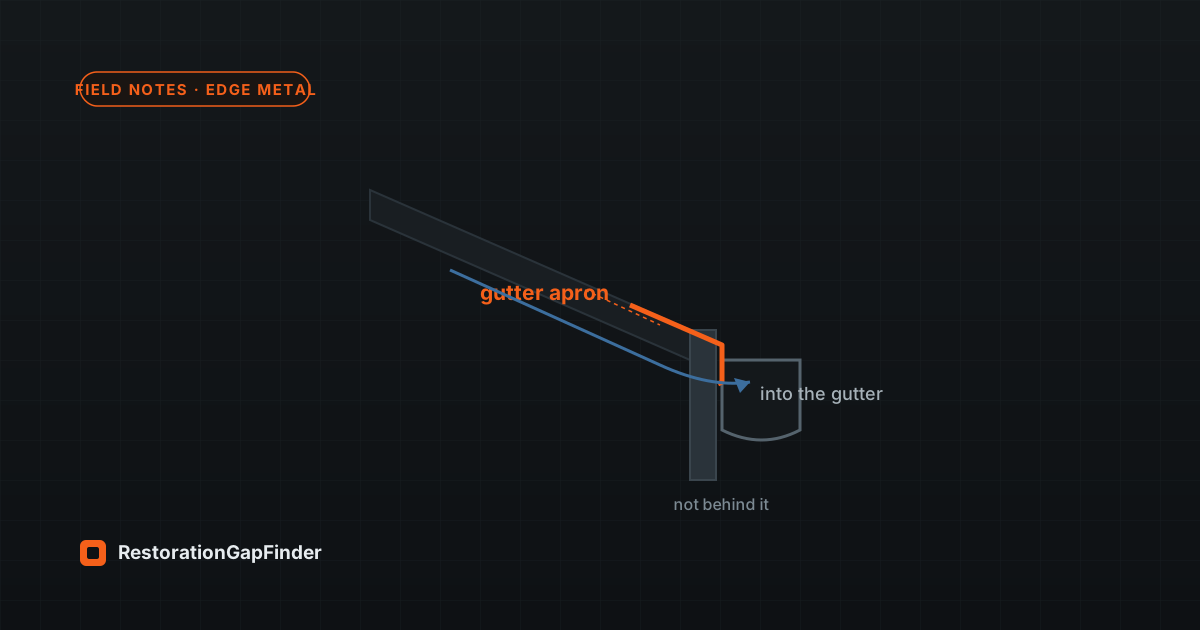
They are not the same flashing
"Drip edge" and "gutter apron" get used interchangeably, and that's exactly why one of them goes missing on estimates. They're different pieces of metal doing different jobs:
- Drip edge is installed at the eaves and rakes to direct water off the roof edge and away from the fascia, and to give the shingles a firm edge to lie over. Many current code editions require it at eaves and rakes.
- Gutter apron is an eave flashing — typically an L- or hem-shaped profile — that extends down over the back edge of the gutter so runoff drops into the gutter instead of wicking behind it onto the fascia and soffit.
On a roof with gutters, both can be appropriate: the drip edge does its job at the edge, and the gutter apron makes sure the water actually reaches the gutter.
Why it matters
Without a gutter apron (or with a drip edge that doesn't extend far enough over the gutter), water can run behind the gutter and soak the fascia, soffit, and sheathing over time. That's the exact rot-and-water-damage pattern a proper eave detail is meant to prevent — which is why leaving it off a re-roof can undercut the rest of the work.
Why it gets missed on estimates
A quick scope often lists "drip edge" and stops there, treating it as the whole eave detail. Whether a separate gutter apron belongs depends on the roof's eave and gutter configuration — something that's hard to judge from a photo. So the gutter apron gets folded into "drip edge" or dropped entirely, not out of dispute, but because the two look alike and the distinction is easy to miss.
How to document it
- Confirm the eave/gutter condition on the job — is a gutter apron warranted by how the gutter meets the roof edge?
- Check whether the estimate's edge-metal line actually covers it, or only a basic drip edge.
- Where it applies and it's missing, add it — and back it with a photo of the eave plus the code or manufacturer basis for the edge detail. As always, whether it's required or covered depends on your local code and the policy.
Where a tool helps
Edge-metal items like drip edge and gutter apron are small, easy to conflate, and easy to drop — which is what makes them worth a systematic check. RestorationGapFinder reads the estimate and flags edge-detail and other commonly-missed items with their justification, with no dollar figures in the export. It surfaces what to confirm; the field conditions and your local code decide whether it belongs.
This article is general information for contractors, not legal, code, or insurance advice. Edge-flashing requirements and coverage vary — always confirm against your local building code, the manufacturer's instructions, and the specific policy.