Two pieces of edge metal, two jobs
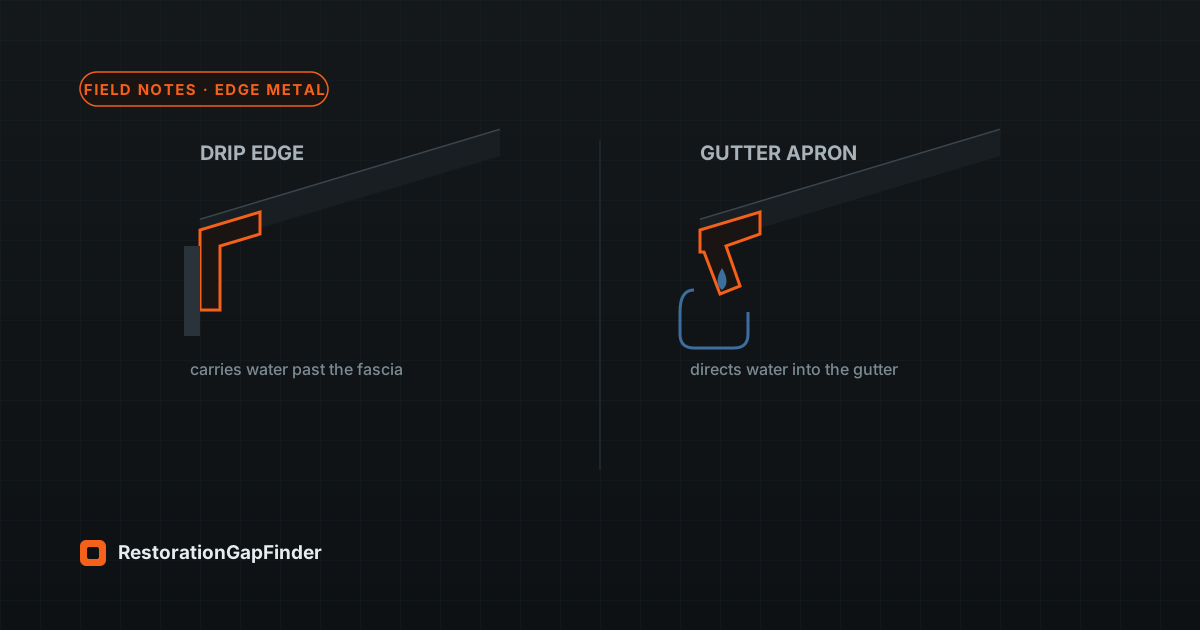
Drip edge and gutter apron are both metal flashings installed at the edge of a roof, and they get confused constantly — including on estimates. They are not the same part.
- Drip edge is the L- or T-shaped metal run along the roof's edges. It carries water off the deck and past the fascia, keeps wind-driven rain from wicking back under the edge course, and protects the wood edge of the deck.
- Gutter apron is a related profile with a longer, angled back leg designed to carry water from the roof edge into the gutter rather than letting it run behind it. Over an eave with gutters, an apron often does that job better.
The short version: they overlap in purpose at the eave, but they are different profiles, and the building code speaks specifically to drip edge.
What the code generally requires
Recent editions of the model residential code (the IRC) require a drip edge at both the eaves and the rake edges of asphalt shingle roofs, with the metal lapped and fastened at a specified interval, and the underlayment lapped over it at the eaves. That's the shape of the requirement in the widely adopted editions.
Two honest caveats, the same ones that apply to any code item:
- Your adopted edition governs. Drip edge was not always spelled out; older editions and local amendments differ. The jurisdiction your building department actually enforces — the edition, the fastening spacing, whether rakes are included — is the authority, not a general article.
- Apron is usually an upgrade, not a code substitute. Installing a gutter apron at the eave can satisfy the intent and perform better, but if a scope calls for "gutter apron" and nothing else, confirm the rake edges still get the required drip edge.
Why it gets left off an estimate
A scope written from photos tends to include the shingle and underlayment lines and stop there. Edge metal is thin, it sits under the first course, and from a photo you often can't tell whether the existing drip edge is present, damaged, or missing. Two failure modes are common:
- Eaves only. The estimate includes drip edge at the eaves (where the gutter makes it obvious) but omits the rake edges, which the code generally also requires.
- Assumed existing. The line is dropped because someone assumed the old drip edge would be reused — but a full tear-off to the deck usually means the edge metal comes off with it and is replaced.
How to document it
- Confirm the locally adopted code and whether it requires drip edge at eaves, rakes, or both for this roof.
- Walk the whole perimeter — eaves and rakes — and note linear footage for each, not just the gutter side.
- Check the existing estimate for a true drip-edge line at every edge the code covers, and confirm a "gutter apron" line isn't standing in for the rake drip edge.
- Where it's missing, add it with the code requirement and the measured edge as the justification — a verifiable fact, not a judgment call.
Where a tool helps
Catching an omitted drip edge is a matter of knowing the requirement, checking it against this specific roof's edges, and confirming the estimate didn't already cover every run. RestorationGapFinder runs that check as it reads the estimate — flagging code-driven edge items with their justification, and no dollar figures in the export. It points to what to verify; your local code has the final word.
This article is general information for contractors, not legal, code, or insurance advice. Edge-metal requirements vary by adopted code edition and jurisdiction — always confirm against your locally enforced building code and the specific policy.